
Water Features Built to Last for Years
Pond Installation in Cincinnati for properties ready to add natural water features to outdoor spaces
Shakerscapes LLC installs professionally designed ponds that complement the natural landscape of your property while providing a lasting outdoor focal point. Custom pond installations work for homeowners wanting fish habitats, decorative water features, or full ecosystem ponds that support aquatic plants and wildlife. The installation process begins with site evaluation to determine placement, depth requirements, and how water flow will integrate with existing terrain and drainage patterns.
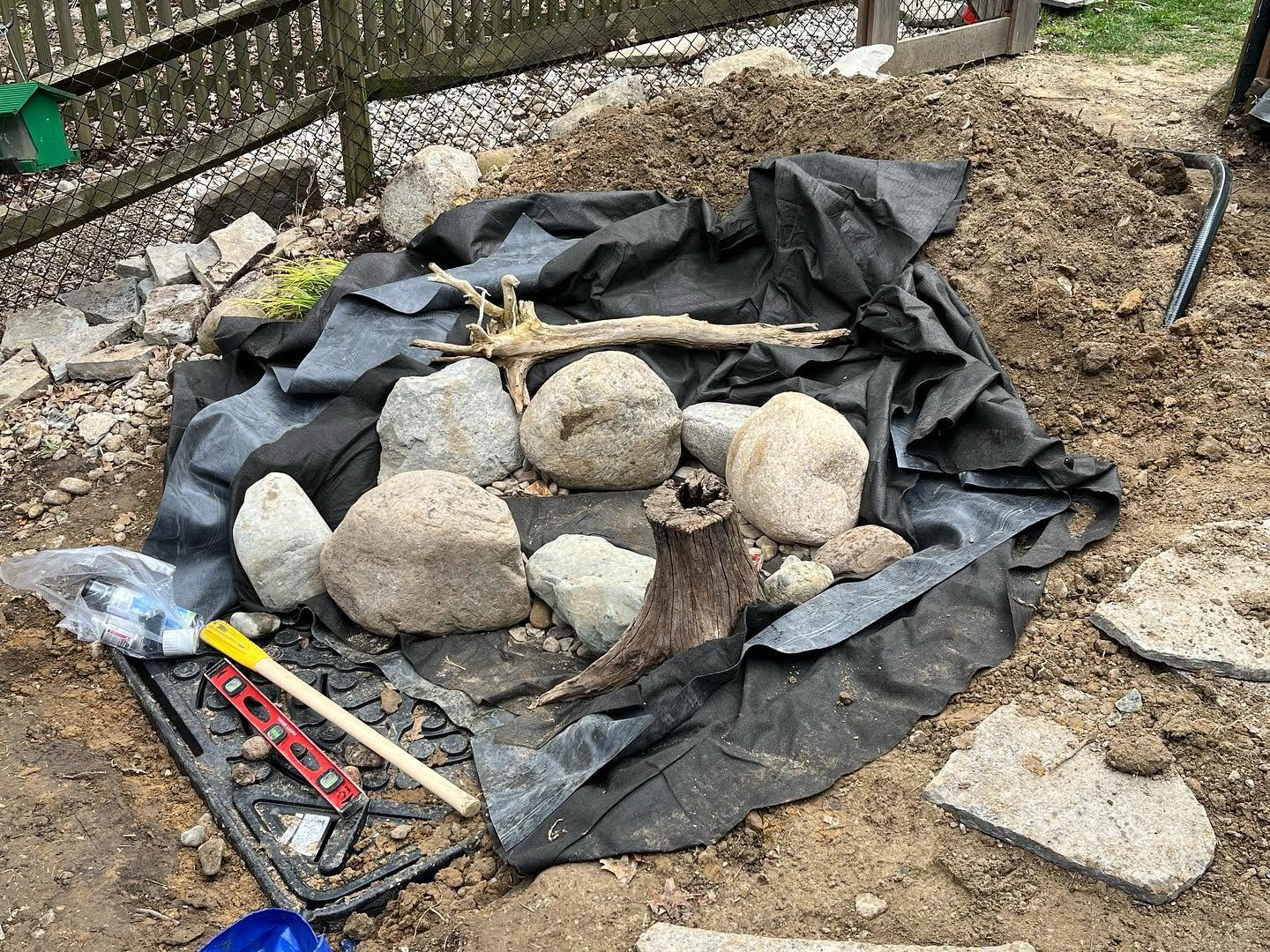
The design and installation process moves from initial planning through construction phases that include excavation, liner placement, filtration system setup, and finishing with natural stone or plant borders. Material selection affects both durability and maintenance needs—quality pond liners resist punctures and UV degradation, while properly sized filtration systems keep water clear without constant chemical adjustments. Each installation accounts for factors like sun exposure, nearby tree roots, and seasonal water level changes common in Cincinnati's climate.
Schedule a consultation to begin designing a pond layout based on your property's specific conditions and intended use.
What Proper Pond Construction Requires
Professional pond installation involves more than digging a hole and filling it with water. You need correctly sized filtration, adequate depth for fish survival during winter months, and liner installation that prevents leaks while accommodating ground settling. The construction sequence matters—rushing through excavation or skipping proper compaction leads to uneven settling and structural problems within the first year.
Once the pond is operational, you'll notice clear water circulation, stable water levels between rainfalls, and aquatic plants or fish thriving without constant intervention. Ecosystem ponds develop natural biological balance where beneficial bacteria manage waste, and mechanical filtration removes debris before it clouds the water. Fish ponds maintain oxygen levels that support healthy populations year-round, while decorative ponds stay visually clean with minimal chemical treatment.
Finishing details include stone placement that looks intentional rather than stacked, edging that prevents soil erosion into the water, and access points for routine cleaning without damaging the liner. Efficient construction practices reduce installation time while maintaining quality standards that affect long-term performance. Maintenance services remain available after installation to address seasonal needs like debris removal, equipment checks, and water quality adjustments.
What Property Owners Usually Ask
Homeowners planning pond installations often want to know what to expect during construction and how to maintain water features afterward.
What determines the best location for a pond on my property?
Site selection depends on sun exposure for plant growth, proximity to trees that drop leaves, existing drainage patterns, and how the pond integrates with your outdoor living areas—locations with afternoon shade help control algae growth while still providing enough light for aquatic plants.
How deep does a pond need to be for fish to survive Cincinnati winters?
Fish ponds require at least 18 to 24 inches of depth in the deepest section to provide a thermal refuge below the freeze line where fish enter dormancy during cold months.
What's included in the installation process?
The process covers excavation, liner installation with protective underlayment, filtration system setup, plumbing for waterfalls or streams if included, rock and stone finishing work, and initial water quality balancing before adding fish or plants.
Can I add fish immediately after the pond is installed?
Water needs time to establish beneficial bacteria and stabilize chemically—most ponds require at least one to two weeks of circulation and biological filter development before fish introduction to avoid ammonia spikes that harm aquatic life.
How often does a pond need maintenance after installation?
Routine maintenance includes seasonal cleaning, filter media replacement or cleaning every few months, equipment inspections before winter, and periodic water testing to monitor pH and ammonia levels—frequency depends on pond size, fish load, and surrounding vegetation.
Shakerscapes LLC provides maintenance plans that address seasonal needs and reduce unexpected repairs over time. Contact us to discuss custom pond options and start planning your installation timeline.