
Stone Water Features That Fit Existing Landscapes
Waterfalls in Cincinnati for properties wanting natural water movement integrated into outdoor environments
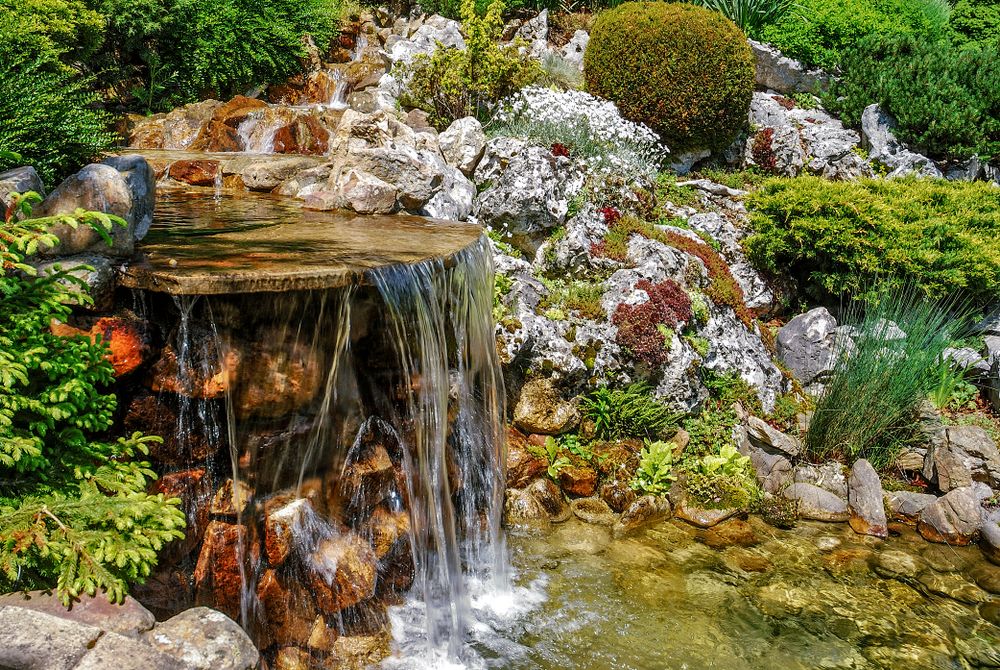
Custom waterfalls create visual interest and relaxing outdoor environments by moving water over natural stone formations that complement surrounding landscaping. These features function as standalone installations or integrate with existing ponds to add circulation and oxygenation that supports aquatic life. The construction process uses stacked stone arranged to direct water flow along intended paths, with plumbing concealed within the structure to maintain a natural appearance. Shakerscapes LLC builds waterfalls where water movement looks intentional rather than haphazard, and stone placement reflects how water flows over rock formations in natural settings.
Standalone waterfalls operate similarly to pondless systems, circulating water through hidden reservoirs, while pond-integrated waterfalls draw directly from the pond basin and return filtered water back through the waterfall stream. Design options range from single-drop falls to multi-tiered cascades with stream sections that wind through plantings or along walkways. Natural stone construction resists weathering better than manufactured materials and develops character over time as minerals deposit and moss grows in shaded crevices.
Request a design consultation to review waterfall options that match your property's existing landscape features.
The Difference Between Quality and Basic Waterfall Construction
Waterfalls that perform reliably require foundation preparation that prevents settling, stone selection that withstands freeze-thaw cycles without cracking, and plumbing sized to deliver adequate flow without excessive pump strain. Poor foundation work leads to uneven settling where stones shift and water escapes the intended channel, while undersized plumbing restricts flow and creates stagnant areas where algae blooms develop. Each stone placement affects how water moves—flat surfaces create smooth sheets of water, while textured edges produce splashing and white-water effects.
After construction, you'll see water flowing consistently along the designed path without dry spots or unexpected diversions, hear the intended water sounds from gentle trickling to more dramatic cascading, and notice the structure remains stable without stones loosening over time. Waterfalls integrated with ponds improve water circulation, which reduces stagnant zones and helps maintain oxygen levels for fish. Standalone waterfalls add focal points to gardens or patios where full ponds aren't feasible due to space or maintenance constraints.
Upgrades and renovations address outdated waterfall systems where pumps no longer deliver adequate flow, stone has shifted out of position, or original construction used materials that deteriorated faster than expected. Maintenance services preserve water flow by cleaning pump intakes, inspecting plumbing connections for leaks, and removing debris before it clogs filtration systems or restricts circulation.
Questions Before Starting Your Project
Waterfall projects raise questions about construction methods, integration with existing features, and long-term upkeep requirements.
What's the difference between a waterfall built for a pond versus a standalone waterfall?
Pond waterfalls draw water directly from the pond basin and return it through the waterfall structure, while standalone waterfalls use underground reservoirs similar to pondless systems—both approaches require pumps and plumbing, but pond waterfalls handle larger water volumes.
How do you prevent water from leaking out of the waterfall structure?
Water containment depends on proper liner installation beneath and behind the stone structure, overlapping seams to prevent leaks, and stone placement that directs water forward into the intended channel rather than backward where it escapes the liner.
Can waterfalls be added to existing ponds?
Most ponds accommodate waterfall additions if there's adequate space for stone placement and the existing pump can handle increased flow demand—adding a waterfall may require pump upgrades to move water to the desired height without overworking the equipment.
What maintenance does a waterfall need to keep operating properly?
Routine tasks include cleaning the pump to prevent clogs, inspecting stone stability to catch settling before major shifts occur, removing leaves and debris that accumulate in crevices, and checking water levels in the reservoir or pond to ensure the pump stays submerged.
How does Cincinnati's winter weather affect waterfall operation?
Freezing temperatures can crack wet stone and damage pumps, so waterfalls are typically shut down in late fall and restarted in spring—draining plumbing lines and covering pump intakes prevents ice damage during cold months.
Shakerscapes LLC handles waterfall installations, renovations, and ongoing maintenance to keep water features performing as intended. Contact us to schedule a property evaluation and discuss design possibilities.